

A RAW AND WILD MOSAIC OF HABITATS AND WILDLIFE IN A REMOTE AREA
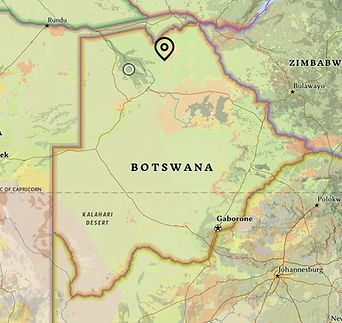
The Mababe River and Mababe Depression form one of Botswana’s most intriguing and lesser-known ecosystems, lying to the east of the Okavango Delta between the Khwai area and Chobe National Park. This region is shaped by ancient geological processes—once part of a vast inland lake system, the Mababe Depression is a fossil lakebed, a broad, flat expanse that still holds water seasonally.
The Mababe River itself is unusual in that it doesn’t always behave like a conventional river; its flow is erratic and can even reverse direction depending on rainfall and flood patterns, linking the Okavango, Linyanti, and Chobe systems in complex ways. The landscape here is strikingly varied. At its heart, the Mababe Depression is a wide, open grassland that transforms dramatically with the seasons. In the dry months, it appears as a vast, pale, almost dusty pan dotted with short grasses, while in the wet season it becomes a lush, green basin that can hold shallow water and attract enormous concentrations of wildlife. Surrounding this are mopane woodlands, acacia scrub, and riverine fringes along the Mababe River itself, creating a mosaic of habitats within a relatively compact area.
Seasonality plays a defining role. During the summer rains (roughly November to March), the depression fills with water and fresh grasses, drawing in large herds of plains game. This is when the area feels alive and green, with abundant birdlife and young animals. As the dry season progresses (May through October), surface water recedes and wildlife begins to concentrate along remaining water sources, particularly the Mababe River and nearby channels. The changing conditions mean the area offers very different but equally compelling experiences depending on the time of year.
Wildlife in the Mababe region is often exceptional yet less crowded than in more famous parts of northern Botswana. The open plains are known for large herds of buffalo, zebra, and wildebeest, which in turn attract predators such as lion, leopard, cheetah, and spotted hyena. The area is also one of the better places in Botswana to see wild dog, thanks to its mix of open terrain and woodland cover. Elephants move through in significant numbers, particularly in the dry season, while the seasonal wetlands support rich birdlife, including storks, herons, and raptors.
One of the key reasons to visit the Mababe area is its sense of space and exclusivity. It sits slightly off the main safari circuit, meaning fewer vehicles and a more private experience, yet still delivers the kind of high-quality game viewing Botswana is known for. Its position between major ecosystems also makes it a natural corridor for wildlife movement, resulting in dynamic and often unpredictable sightings.
In essence, Mababe offers a blend of raw wilderness, fascinating hydrology, and excellent wildlife, all within a landscape that changes dramatically through the year. For travellers looking to experience a quieter, more authentic side of northern Botswana—without sacrificing game viewing—it’s a compelling and rewarding destination.
View our safaris that include the Moremi & Khwai


MABABE GALLERY

Buffalo herd Mababe

Hippo at Mababe

Zebra at Mababe


Hyena in the Golden Hour

Big cates in Mababe

Big cates in Mababe
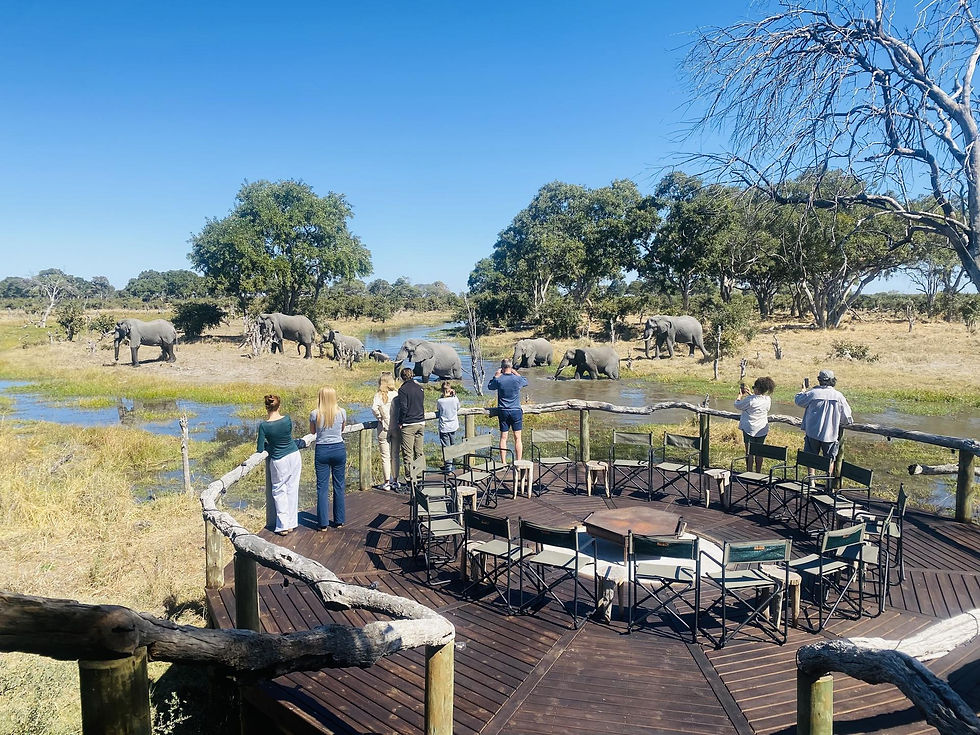
Wildlife from camp at Mababe

Dry season viewing at Mababe
WHY TRUST US WITH
YOUR BOOKING?
We know that you have the choice of thousands of providers, especially through the internet, and that there is a great deal of trust required in order for you to choose our company over others. Your trust in us is something we take very seriously and our reputation hangs on our ability to deliver. We are totally confident that we can provide the highest level of service to you and every client that chooses to trust us with their booking.
Here's why you should trust us;
-
Knowledge
-
Support
-
Price
-
Conservation
-
Let us do the legwork
-
See what our clients say
-
We are SATSA Bonded